Why Fire Detection Is a Legal Obligation, Not Just Good Practice
Under Irish fire safety legislation, business owners and occupiers have a legal duty to ensure adequate fire detection and warning systems are in place. This isn’t a box-ticking exercise — a properly designed and maintained fire detection system is what gives people in your building enough warning to get out safely, and it’s frequently the deciding factor in insurance claims following a fire event.
Yet many commercial properties operate with systems that are outdated, poorly maintained, or never designed for the space they now occupy — often the result of the building being adapted or expanded without reassessing the fire system.
The Standard That Governs Fire Detection: IS 3218
Commercial fire detection and alarm systems in Ireland must be designed, installed, and maintained in accordance with IS 3218, the Irish standard for fire detection and alarm systems in buildings. This standard covers:
- System category — the appropriate level of coverage (from basic manual alarm systems up to full automatic detection covering every room)
- Detector placement and spacing — based on ceiling height, room use, and fire risk
- Zoning — how the building is divided for alarm and evacuation purposes
- Testing and certification — the documentation required to demonstrate ongoing compliance
A system that isn’t IS 3218-compliant can invalidate insurance cover and expose directors and building occupiers to legal liability in the event of a fire.
Types of Fire Detection Systems
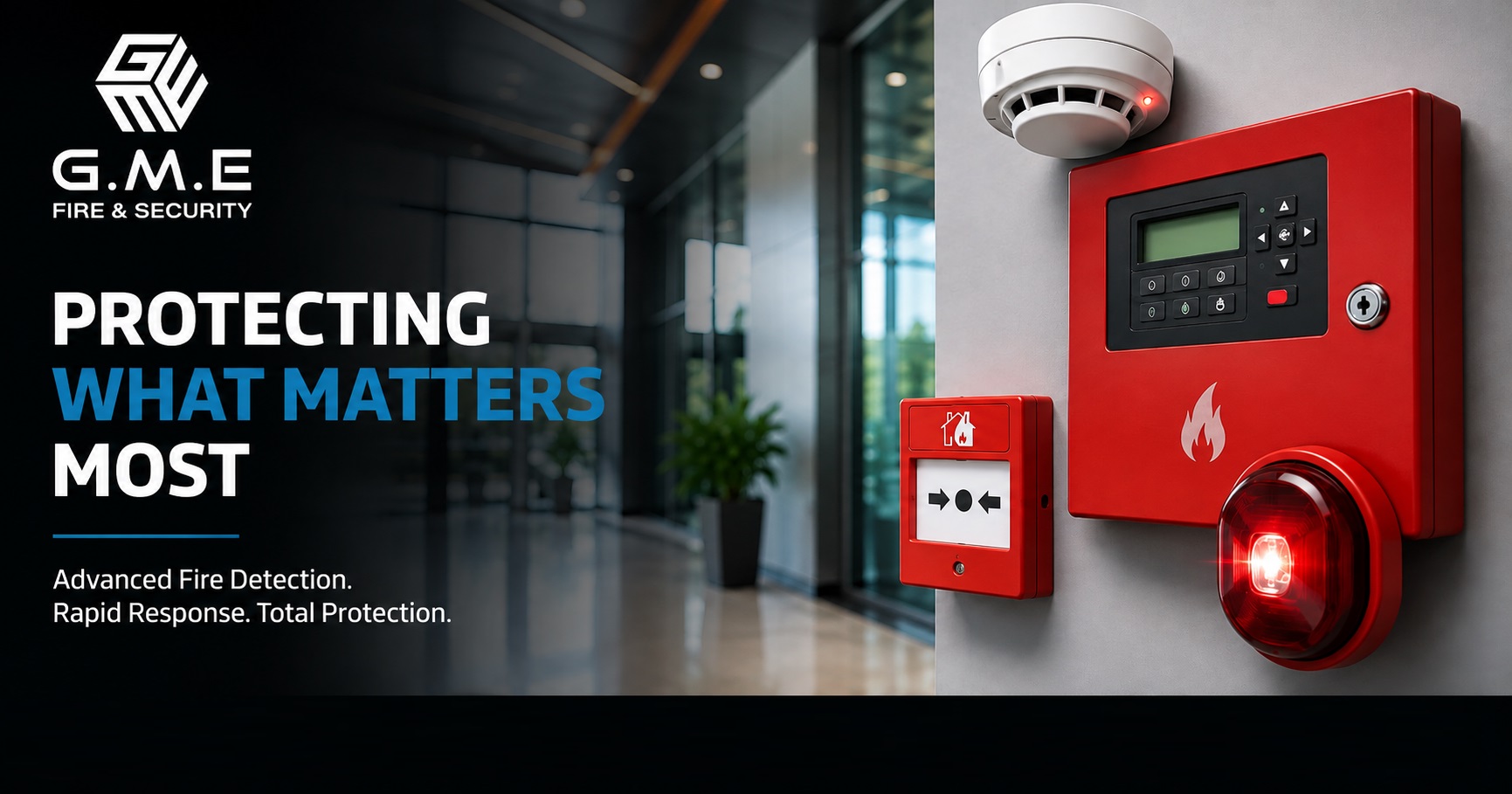
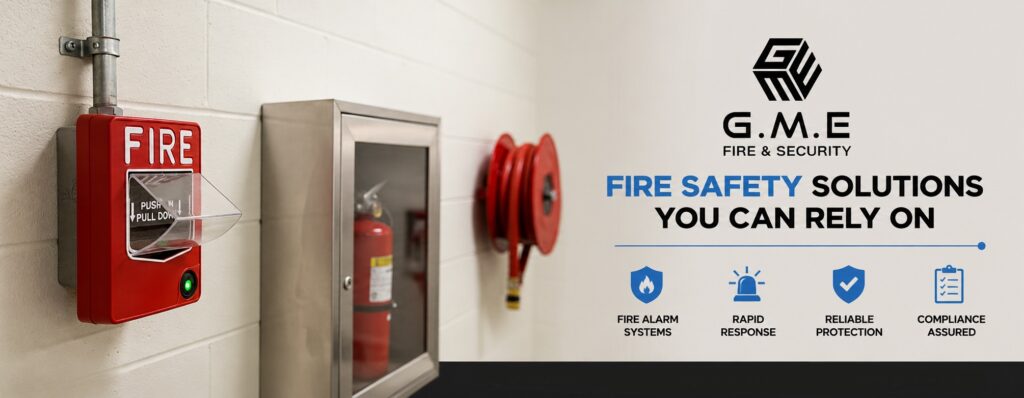
Manual alarm systems — break-glass call points connected to a central panel; suitable for very low-risk, small premises but increasingly insufficient on their own for most commercial settings.
Automatic smoke and heat detection — detectors positioned throughout the building that trigger the alarm without human intervention, providing earlier warning, particularly important outside working hours or in unoccupied areas.
Addressable systems — each detector has a unique address on the panel, meaning staff and emergency responders know precisely which detector triggered and where — critical in larger buildings where a generic ‘fire somewhere in the building’ alert wastes valuable response time.
Aspirating smoke detection (ASD) — highly sensitive systems that actively sample air, typically used in server rooms, archives, or other high-value, hard-to-evacuate areas where early warning is essential.
What Determines the Right System for Your Building
Building category and use (retail, healthcare, education, office, hospitality) — each carries different occupancy risk profiles
Size and layout — larger or more complex buildings typically require addressable, zoned systems
Occupant vulnerability — healthcare and education settings, where evacuation may be slower or require assistance, generally demand a higher category of protection
Existing building changes — extensions, internal reconfigurations, or change of use often mean the original fire detection design no longer matches the actual risk
A proper fire risk assessment — not a generic quote — should determine system category and coverage before any installation begins.
Fire Detection and Your Wider Fire Safety System
Fire detection rarely operates alone. It should integrate with:
- Emergency lighting — ensuring escape routes remain visible when a fire triggers power loss
- Access control — doors must release automatically on alarm activation to allow free egress
- Fire alarm monitoring — for unoccupied hours, an automatically monitored system ensures the fire brigade is alerted even when no one is on-site to hear the alarm
Treating these as one integrated system, rather than separate purchases, is what actually delivers a compliant, functioning fire safety strategy.
Inspection, Testing, and Ongoing Compliance
- IS 3218 requires periodic testing and maintenance, not just correct installation. Typical requirements include:
- Weekly manual call point tests
- Periodic full system servicing by a qualified engineer
- Maintained logbooks documenting all tests, faults, and remedial work
- Certification renewal in line with your system category
- Missing or incomplete logbooks are a common finding in fire safety audits and can be treated as evidence of non-compliance even if the physical system itself is sound.
FAQ
Is fire detection a legal requirement for all commercial premises in Ireland?
Yes — occupiers and owners of commercial buildings have a statutory duty under Irish fire safety legislation to provide adequate detection and warning systems appropriate to the building’s risk profile.
What standard should my fire detection system comply with?
IS 3218, the Irish standard covering the design, installation, and maintenance of fire detection and alarm systems in buildings.
How often does a fire detection system need to be serviced?
Typically, weekly checks by on-site staff plus periodic full servicing by a qualified engineer, with all activity documented in a fire safety logbook — exact frequency depends on your system category.
What happens if my fire detection system isn’t compliant?
Non-compliance can invalidate insurance cover, create legal liability for directors and occupiers, and — most importantly — reduce the warning time available to people in the building during a real fire event.
Do I need an addressable system, or is a conventional system enough?
It depends on building size and complexity. Larger or higher-risk buildings generally require addressable systems for precise fault and fire location identification; a proper site assessment will confirm what your building needs.
Ready to Confirm Your Fire Detection Compliance?
Request a Free Fire Safety Assessment →
GME Fire & Security designs, installs, and maintains IS 3218-compliant fire detection systems for commercial, healthcare, and education clients across Dublin, Kildare, Meath, and Wicklow, backed by ISO 9001 certification and Garda-vetted engineers. Call +353-1-9630126 to speak with our team directly.